Condition
Ocular cysticercosis
Medical reviewer Mr Mohamed Mohyudin, Consultant Ophthalmic SurgeonArticle reviewed
About this review
The reviewer checked the version identified in this article’s review record.
Cysticercosis and the eye at a glance
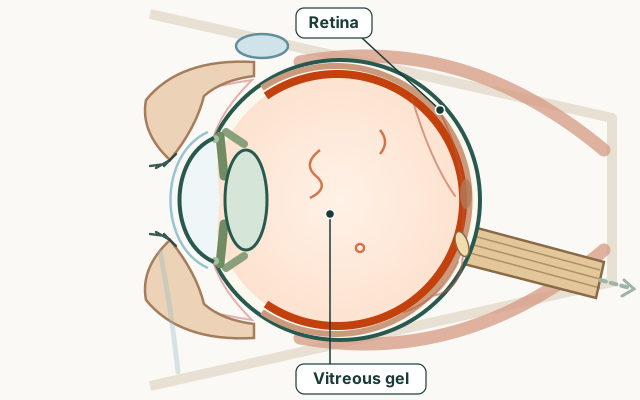
- Part of the eye
- Vitreous gel and retina
- Common signs
- New floaters or a moving shadow in vision
- Blurred or decreased vision, often one eye
- Red, painful eye if inflammation is active
- Rarely, a visible white cyst on examination
- Condition group
- Retina and optic nerve
- Medical code (ICD-10)
B69.1
What is ocular cysticercosis?
Humans ingest tapeworm eggs through contaminated food, water or hands. Larvae can travel to the brain, muscles or eye. In the eye they may sit in the vitreous gel or under the retina, triggering inflammation that damages vision.
Symptoms in the eye
Symptoms depend on where the cyst sits and whether inflammation flares.
- New floaters or a moving shadow in vision
- Blurred or decreased vision, often one eye
- Red, painful eye if inflammation is active
- Rarely, a visible white cyst on examination
Where it occurs
Ocular cysticercosis is reported most often in rural Latin America — including Mexico, Peru and Ecuador — and in other Taenia solium endemic settings. Short-term travellers are at low risk; long-term residents in endemic villages face higher exposure if pork and hygiene practices are unsafe.
How is ocular cysticercosis diagnosed and treated?
Specialist eye examination and imaging (including ultrasound of the eye) can show cysts. Treatment may involve anti-parasitic medicines and sometimes surgery to remove a cyst, coordinated with neurology if the brain is involved. Early specialist care improves outcomes.
Frequently asked questions
Can cysticercosis cause blindness?
Yes. Untreated ocular cysticercosis can permanently damage the retina or optic nerve. Prompt specialist assessment matters when vision changes in an endemic area.
Is ocular cysticercosis contagious?
It is not spread person to person like conjunctivitis. Infection comes from ingesting tapeworm eggs in contaminated food or water.
How can cysticercosis be prevented?
Cook pork thoroughly, wash hands before eating, use safe sanitation, and follow local public health advice in endemic communities. WHO programmes target pig farming and human sanitation together.
Sources for this information
These references support the information on this page. Follow the linked source for its full context.