Condition
Vitamin A deficiency (xerophthalmia)
Medical reviewer Mr Mohamed Mohyudin, Consultant Ophthalmic SurgeonArticle reviewed
About this review
The reviewer checked the version identified in this article’s review record.
Vitamin A deficiency and the eye at a glance
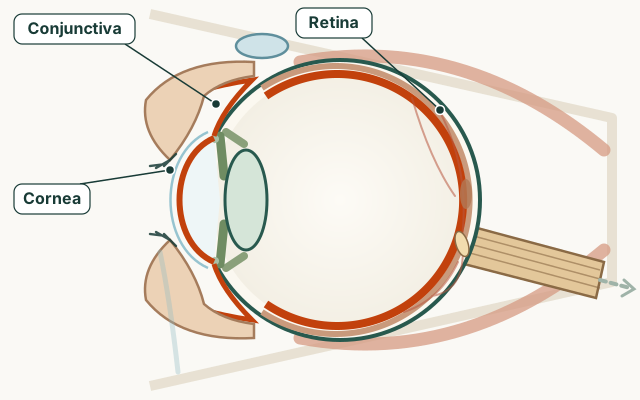
- Part of the eye
- Conjunctiva, cornea and retina
- Common signs
- Dry, bitot spots on the white of the eye
- Night blindness
- Corneal clouding or ulcers
- Blindness in severe untreated cases
- Condition group
- Cornea and front of eye
- Medical code (ICD-10)
E50
What is vitamin A deficiency?
Vitamin A is essential for the tear film, cornea and retina. Deficiency dries and clouds the eye surface (xerophthalmia) and reduces night vision, progressing in severe cases to corneal ulcers and blindness.
Signs in the eye
Eye changes may accompany general malnutrition.
- Dry, bitot spots on the white of the eye
- Night blindness
- Corneal clouding or ulcers
- Blindness in severe untreated cases
WHO prevention
WHO recommends vitamin A supplementation for at-risk children, promotion of breastfeeding, and diets rich in vitamin A from animal foods and orange or dark green vegetables. Public health programmes have cut blindness rates sharply.
In high-income countries
Clinically significant vitamin A eye disease is rare where diets are adequate, but severe malabsorption or restrictive diets can occasionally affect the eye surface. Any child with dry corneas or night blindness needs urgent assessment.
Frequently asked questions
Can vitamin A deficiency cause blindness?
Yes. Severe deficiency causes xerophthalmia, a leading preventable cause of childhood blindness worldwide, which is why WHO runs supplementation programmes.
What foods help prevent vitamin A eye problems?
Liver, eggs, dairy, and colourful vegetables such as carrots, sweet potato and leafy greens provide vitamin A or its precursors, alongside breastfeeding for infants.
Is vitamin A eye disease common in the UK or US?
It is rare where nutrition is adequate, but it remains an important global health topic and may occur with severe malnutrition or malabsorption.
Sources for this information
These references support the information on this page. Follow the linked source for its full context.