Condition
Trachoma
Medical reviewer Mr Mohamed Mohyudin, Consultant Ophthalmic SurgeonArticle reviewed
About this review
The reviewer checked the version identified in this article’s review record.
Trachoma at a glance
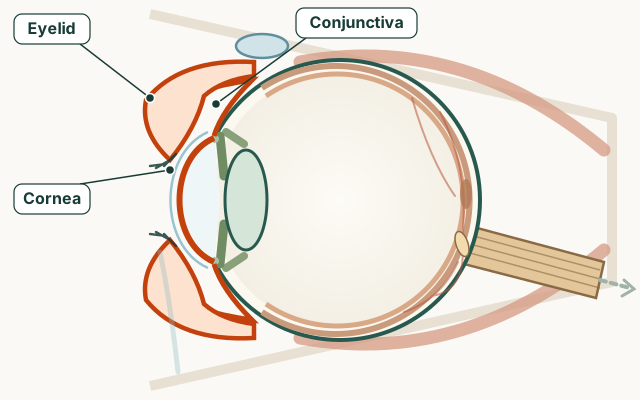
- Part of the eye
- Eyelid, conjunctiva and cornea
- Treatment options
- Condition group
- Cornea and front of eye
- Medical code (ICD-10)
A71
What is trachoma?
Trachoma begins as conjunctivitis in children in affected communities. Repeated episodes scar the inner eyelid, turning lashes inward (trichiasis), which rubs and scars the cornea, leading to vision loss.
How it spreads
Spread occurs through direct contact with eye or nose discharge, shared cloths, and flies that carry infection. It clusters where water and sanitation are limited, affecting vulnerable communities rather than high-income settings.
WHO SAFE strategy
WHO promotes Surgery for trichiasis, Antibiotics for infection, Facial cleanliness, and Environmental improvement. Mass antibiotic programmes and clean water access have greatly reduced trachoma worldwide.
Recognition and action
In endemic regions, red irritated eyes, sticky discharge and inward-turning lashes need community health assessment. Travellers are at low risk unless living long-term in endemic areas without hygiene support.
Treatments & Surgery
Frequently asked questions
Is trachoma still a cause of blindness?
Yes. WHO lists trachoma among leading preventable causes of blindness worldwide, though elimination programmes have reduced it dramatically in many countries.
How is trachoma prevented?
Prevention follows WHO's SAFE approach: surgery for in-turned lashes, antibiotics for active infection, face washing, and better water and sanitation.
Is trachoma common in the UK or US?
Trachoma is rare in high-income countries with good sanitation. It mainly affects communities in parts of Africa, the Middle East, Asia and Latin America with repeated exposure and limited water access.
Sources for this information
These references support the information on this page. Follow the linked source for its full context.