Condition
Retinal vein occlusion (eye stroke)
Medical reviewer Mr Mohamed Mohyudin, Consultant Ophthalmic SurgeonArticle reviewed
About this review
The reviewer checked the version identified in this article’s review record.
Retinal vein occlusion at a glance
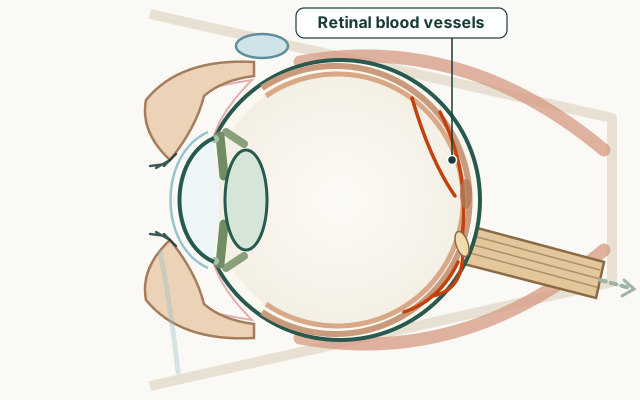
- Part of the eye
- Retinal blood vessels
- Common signs
- Sudden blurred or lost vision in one eye
- A dark patch or shadow in part of the vision
- Sometimes mild floaters or a red eye
- No eye pain in most cases
- Treatment options
- Condition group
- Retina and optic nerve
- Medical code (ICD-10)
H34.8
What is retinal vein occlusion?
At the back of the eye, blood drains away through retinal veins. If a vein becomes blocked, blood and fluid can build up in the retina, affecting vision. It usually affects one eye and comes on suddenly without pain.
Symptoms of retinal vein occlusion
Vision change is usually sudden and painless.
- Sudden blurred or lost vision in one eye
- A dark patch or shadow in part of the vision
- Sometimes mild floaters or a red eye
- No eye pain in most cases
What causes retinal vein occlusion, and who is at risk?
It is more common with increasing age and is strongly linked to high blood pressure, diabetes, glaucoma, smoking and blood clotting problems. Because it can reflect wider circulation problems, a full health check is often recommended.
Treatment and monitoring
There is no single cure, but treatment targets complications such as swelling at the macula or abnormal new blood vessels. This may include injections into the eye, laser, or managing blood pressure and diabetes. Regular monitoring is important to protect remaining vision.
Treatments & Surgery
Frequently asked questions
Is retinal vein occlusion the same as a stroke?
It is sometimes called an eye stroke because a blood vessel at the back of the eye is blocked, but it is different from a brain stroke. However, it can be linked to the same risk factors, so general health checks are important.
Can vision recover after a retinal vein occlusion?
Some people regain useful vision, especially with early treatment of swelling or new vessel growth, but others have lasting blurring. Prompt assessment gives the best chance of protecting sight.
What causes a blocked vein in the eye?
The vein is usually blocked where an artery crosses it, often in people with high blood pressure, diabetes or glaucoma. A full assessment looks for treatable risk factors.
Sources for this information
These references support the information on this page. Follow the linked source for its full context.