Condition
Central serous retinopathy (CSR)
Medical reviewer Mr Mohamed Mohyudin, Consultant Ophthalmic SurgeonArticle reviewed
About this review
The reviewer checked the version identified in this article’s review record.
Central serous retinopathy at a glance
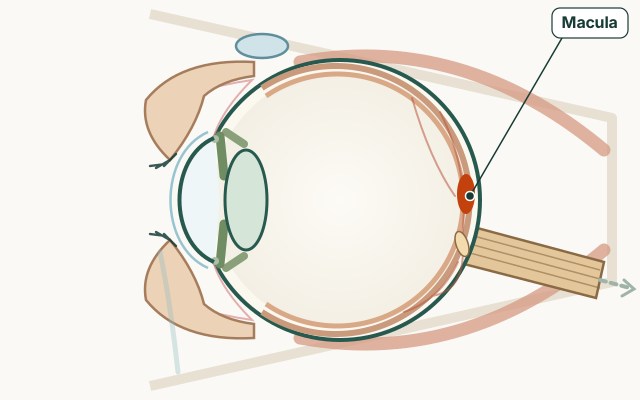
- Part of the eye
- Macula
- Common signs
- Blurred or dim central vision
- Straight lines looking bent or wavy
- Objects looking smaller than normal
- A grey or dark patch in the centre of vision
- Condition group
- Retina and optic nerve
- Medical code (ICD-10)
H35.7
What is central serous retinopathy?
CSR happens when fluid leaks from the layer under the retina, causing a small detachment at the macula, the central vision area. This makes straight lines look bent and reading or recognising faces harder.
Symptoms of central serous retinopathy
Symptoms usually affect one eye and may come and go.
- Blurred or dim central vision
- Straight lines looking bent or wavy
- Objects looking smaller than normal
- A grey or dark patch in the centre of vision
Causes and triggers of central serous retinopathy
The exact cause is not fully understood, but CSR is linked to stress, type A personality, steroid medicines (including creams and inhalers), pregnancy and high blood pressure. It is more common in men aged 30 to 50.
Treatment and outlook for central serous retinopathy
Many mild cases settle without treatment as the fluid is reabsorbed. If vision stays affected, treatment options include reducing steroid use, managing stress, laser or other specialist treatments. Recurrence is possible, so follow-up checks matter.
Frequently asked questions
Does central serous retinopathy go away on its own?
Many cases settle over weeks to months as the fluid reabsorbs, but some people have lasting distortion or recurrence. Monitoring helps decide if treatment is needed.
Can stress cause central serous retinopathy?
Stress is a recognised trigger, along with steroid medicines and high blood pressure. Managing these factors may help recovery and reduce recurrence.
Is CSR serious?
It is usually not sight-threatening, but it can affect reading and driving while active. Persistent or recurrent CSR needs specialist follow-up.
Sources for this information
These references support the information on this page. Follow the linked source for its full context.