Condition
Diabetic retinopathy
Medical reviewer Mr Mohamed Mohyudin, Consultant Ophthalmic SurgeonArticle reviewed
About this review
The reviewer checked the version identified in this article’s review record.
References for this section: NHS — Diabetic retinopathyNational Eye Institute - Diabetic Retinopathy
Your next step →Diabetic retinopathy at a glance
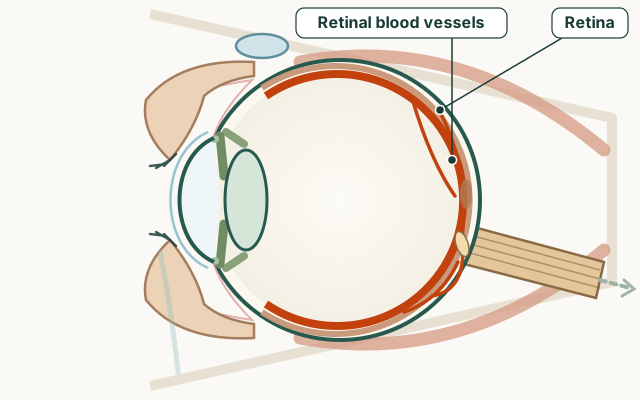
- Part of the eye
- Retinal blood vessels and retina
- Common signs
- Blurred or fluctuating vision, especially for reading
- Difficulty seeing faces or fine detail
- New dark spots or floaters in your vision
- Colours looking faded or washed out
- Treatment options
- Condition group
- Retina and optic nerve
- Medical code (ICD-10)
H36.0
What is diabetic retinopathy?
High blood sugar over time weakens retinal capillaries. They can leak, bleed, or grow fragile new vessels. Fluid at the macula (diabetic macular oedema) blurs reading and faces. Seek emergency care for sudden vision loss, a dark curtain, or a sudden swarm of black specks — those can be a vitreous haemorrhage or retinal detachment, and cannot wait for screening.
You can have serious retinopathy with 6/6 vision. That is the whole point of screening. Feeling fine is not a reason to skip the appointment.
Type 1 and type 2 diabetes both cause retinopathy. Type 2 may already have changes at diagnosis. Pregnancy can worsen retinopathy — tell the eye and maternity teams if you are pregnant or planning pregnancy.
Diabetes and your eyesCan diabetes affect your eyes?Diabetic macular oedema
What are the symptoms of diabetic retinopathy?
Early diabetic retinopathy usually causes no symptoms at all, which is why screening matters even when you see well. Symptoms tend to appear once the macula is affected or new vessels bleed.
- Blurred or fluctuating vision, especially for reading
- Difficulty seeing faces or fine detail
- New dark spots or floaters in your vision
- Colours looking faded or washed out
- Sudden vision loss or a shower of dark floaters — an emergency
What are the stages of diabetic retinopathy?
Services grade photographs from no retinopathy through background (mild) changes, to pre-proliferative and proliferative disease where new vessels threaten bleeding. Macular oedema can occur at several stages. Exact grade names vary by country; the practical message is the same: more advanced grades need hospital eye care, not only a repeat photo next year.
Practical stages — your letter uses local names
| Rough stage | What is happening | Typical next step |
|---|---|---|
| None or background | Small dots or blots; vision often still good | Keep screening; tighten glucose and blood pressure with your diabetes team |
| Macular oedema | Fluid at the reading centre | Hospital eye clinic; injections or laser in selected cases |
| Pre-proliferative / proliferative | Ischaemia; fragile new vessels | Urgent hospital treatment to reduce bleed and traction risk |
What happens at diabetic eye screening?
Screening is not an optician’s refraction. Drops may dilate the pupils. A camera photographs the retina. You are told whether to return next year or go to a hospital clinic. Do not drive until the drops wear off if you were dilated.
Public programmes often invite people with diabetes every year unless your team sets a different interval. We do not invent your local waiting time. If you have never been invited, ask your GP or diabetes clinic how screening works where you live.
Good glucose, blood pressure and cholesterol control slow retinopathy. That is standard public-health advice from diabetes and eye organisations. We do not set your HbA1c target on this page.
- Type 1: screening typically from around age 12, then as advised
- Type 2: from diagnosis, then as advised — often yearly at first
- Pregnancy: extra checks; do not rely on a photo from last year
- If you already attend a hospital eye clinic, they say whether screening still applies
How is diabetic retinopathy treated?
Laser can treat leaking or ischaemic retina in selected patterns. Anti-VEGF injections treat many cases of macular oedema and some proliferative disease. Vitrectomy surgery is for non-clearing blood or traction on the retina. None of these replace diabetes care.
Cataract is more common with diabetes and can hide the view of the retina. Timing cataract surgery around retinopathy is a clinical decision — see the cataracts guide, and do not use an online lens tool as a glucose or retina plan.
Intravitreal injectionsRetinal laser treatmentVitrectomyCataracts
When is diabetic retinopathy an emergency?
Same-day emergency care for sudden vision loss, a shower of new floaters, new flashes, or a curtain. A painful red eye is also not ‘routine retinopathy’. Do not wait for the next screening letter.
Are eye floaters dangerous?What does sudden vision loss mean?World Aid Network diabetic eye page
Understand it visually
Explore the diagram
Tiny blood vessels supply the retina, the light-sensitive layer at the back of the eye.
Diabetes can damage these blood vessels. They may leak or bleed; later disease can involve fragile new vessels. Early changes often cause no symptoms.
- Lens
- Retina
- Optic nerve
Simplified educational diagram. It does not show what every person sees or replace an eye examination.
Practical guides
Treatments & Surgery
Frequently asked questions
Can diabetes make you blind?
Diabetic retinopathy is a leading cause of sight loss in working-age adults. Regular screening and good systemic control make severe loss far less likely. Sudden symptoms still need emergency care.
My vision is fine — do I still need screening?
Yes. Early retinopathy is silent. Treatment works best before you notice blur.
Does type 2 diabetes need screening from diagnosis?
Yes. Changes may already be present. Start screening when you are diagnosed, then follow the interval you are given.
Can I skip screening if my HbA1c is good?
No. Good control lowers risk; it does not make photographs unnecessary.
Will injections cure diabetic macular oedema?
They often reduce fluid and protect reading vision. Many people need a series of injections. They do not replace diabetes treatment.
Sources for this information
These references support the information on this page. Follow the linked source for its full context.