Condition
Posterior vitreous detachment (PVD)
Medical reviewer Mr Mohamed Mohyudin, Consultant Ophthalmic SurgeonArticle reviewed
About this review
The reviewer checked the version identified in this article’s review record.
Posterior vitreous detachment at a glance
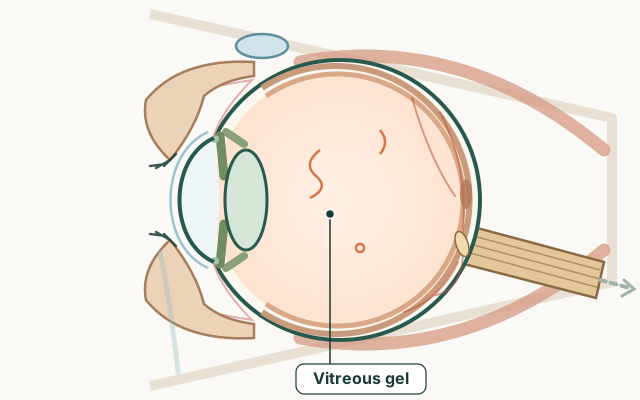
- Part of the eye
- Vitreous gel
- Common signs
- New floaters, such as spots, threads or a cobweb
- Brief flashes of light, often to the side
- Symptoms more noticeable against bright, plain backgrounds
- Gradual settling as the brain adjusts
- Condition group
- Retina and optic nerve
What is posterior vitreous detachment (PVD)?
The inside of the eye is filled with a clear gel called the vitreous. With age this gel shrinks and pulls away from the retina at the back of the eye, which is a posterior vitreous detachment. It is a normal part of ageing and usually does not threaten sight.
Symptoms of posterior vitreous detachment
Symptoms often start suddenly and settle over weeks to months.
- New floaters, such as spots, threads or a cobweb
- Brief flashes of light, often to the side
- Symptoms more noticeable against bright, plain backgrounds
- Gradual settling as the brain adjusts
What causes posterior vitreous detachment, and who is at risk?
PVD is caused by age-related shrinking of the vitreous gel and is very common after middle age. It is more likely earlier if you are short-sighted or have had eye surgery or injury.
Why a check matters
As the gel pulls away it can occasionally tear the retina, which can lead to retinal detachment. So although PVD itself is harmless, a sudden increase in floaters or flashes, or a shadow over your vision, needs a prompt eye examination to make sure the retina is intact.
Frequently asked questions
Is posterior vitreous detachment serious?
PVD itself is usually harmless and very common with age. However, it can occasionally cause a retinal tear, so a sudden onset of floaters or flashes should be checked promptly.
Is PVD the same as retinal detachment?
No. PVD is the harmless separation of the gel from the retina, while retinal detachment is a sight-threatening emergency. PVD can sometimes lead to a retinal tear, which is why a check is important.
Do the floaters from PVD go away?
They often become less noticeable over weeks to months as the brain learns to ignore them, although some floaters may remain.
Sources for this information
These references support the information on this page. Follow the linked source for its full context.