Condition
Vitreous haemorrhage (bleeding in the eye)
Medical reviewer Mr Mohamed Mohyudin, Consultant Ophthalmic SurgeonArticle reviewed
About this review
The reviewer checked the version identified in this article’s review record.
Vitreous haemorrhage at a glance
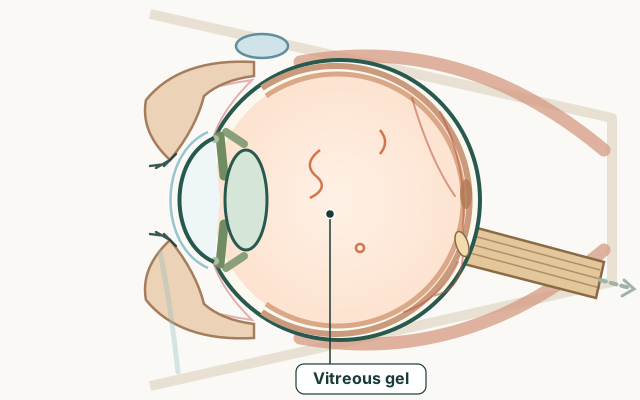
- Part of the eye
- Vitreous gel
- Common signs
- Sudden new floaters or a red tint
- Hazy or reduced vision
- Often painless
- May worsen with head position if blood shifts
- Condition group
- Retina and optic nerve
- Medical code (ICD-10)
H43.1
What is a vitreous haemorrhage?
When blood leaks into the clear vitreous gel, vision becomes hazy or blocked by red or dark floaters. The amount of bleeding ranges from mild specks to dense clouding.
Symptoms of a vitreous haemorrhage
Symptoms are usually sudden.
- Sudden new floaters or a red tint
- Hazy or reduced vision
- Often painless
- May worsen with head position if blood shifts
What causes a vitreous haemorrhage?
Diabetic retinopathy is a leading cause in adults. Other causes include retinal tears, retinal vein occlusion, macular degeneration, eye injury and blood-thinning medicines. Finding the source guides treatment.
How is a vitreous haemorrhage treated?
Urgent examination is needed, often with ultrasound if the view is cloudy. Mild bleeds may settle on their own, but underlying tears or diabetic bleeding need prompt treatment. Repeated bleeds may need vitrectomy surgery.
Frequently asked questions
What causes bleeding inside the eye?
Common causes include diabetic eye disease, retinal tears, retinal vein occlusion and eye injury. Sudden new floaters or hazy vision need urgent assessment.
Will a vitreous haemorrhage clear on its own?
Some mild bleeds settle over weeks, but the underlying cause must be found, as retinal tears can threaten sight if missed.
Is vitreous haemorrhage an emergency?
Sudden vision change from bleeding in the eye should be assessed urgently to rule out a retinal tear or treatable diabetic bleeding.
Sources for this information
These references support the information on this page. Follow the linked source for its full context.