Condition
Retinal tear
Medical reviewer Mr Mohamed Mohyudin, Consultant Ophthalmic SurgeonArticle reviewed
About this review
The reviewer checked the version identified in this article’s review record.
Retinal tear at a glance
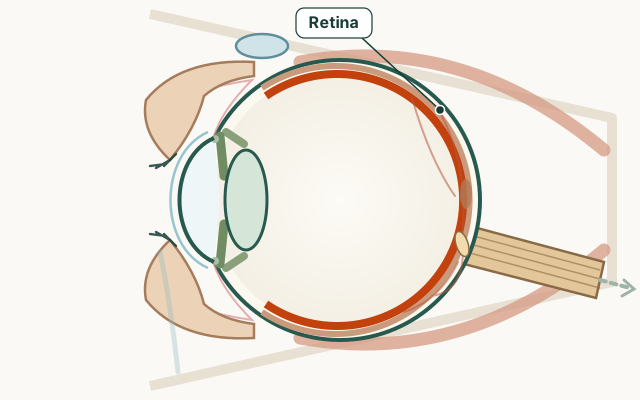
- Part of the eye
- Retina
- Common signs
- Sudden new flashes of light
- A sudden shower of floaters
- A shadow or curtain spreading across vision
- Symptoms after eye injury or in very short-sighted people
- Treatment options
- Condition group
- Retina and optic nerve
- Medical code (ICD-10)
H33.3
What is a retinal tear?
As the vitreous gel shrinks it can tug on the retina, creating a tear. Fluid may then pass through the tear, lifting the retina off — retinal detachment.
Warning signs of a retinal tear
Treat these as urgent.
- Sudden new flashes of light
- A sudden shower of floaters
- A shadow or curtain spreading across vision
- Symptoms after eye injury or in very short-sighted people
Risk factors
High short-sightedness, previous eye surgery, injury, lattice degeneration and family history of detachment increase risk. Posterior vitreous detachment is a common trigger in older adults.
How is a retinal tear treated?
Laser or cryotherapy around the tear creates a scar barrier that prevents detachment. When caught early, treatment is quick and often done in clinic. A spreading shadow suggests detachment and needs emergency surgery.
Treatments & Surgery
Frequently asked questions
Is a retinal tear an emergency?
Yes. New flashes, floaters or a shadow need same-day eye assessment. Early laser treatment can prevent retinal detachment.
What is the difference between a retinal tear and detachment?
A tear is a split in the retina; detachment is when the retina lifts away. A tear can be sealed before detachment occurs if treated promptly.
How is a retinal tear treated?
Laser or freezing treatment around the tear seals the retina and greatly reduces detachment risk. It is usually done promptly in clinic or hospital.
Sources for this information
These references support the information on this page. Follow the linked source for its full context.