Condition
Fungal keratitis
Medical reviewer Mr Mohamed Mohyudin, Consultant Ophthalmic SurgeonArticle reviewed
About this review
The reviewer checked the version identified in this article’s review record.
Fungal eye infection at a glance
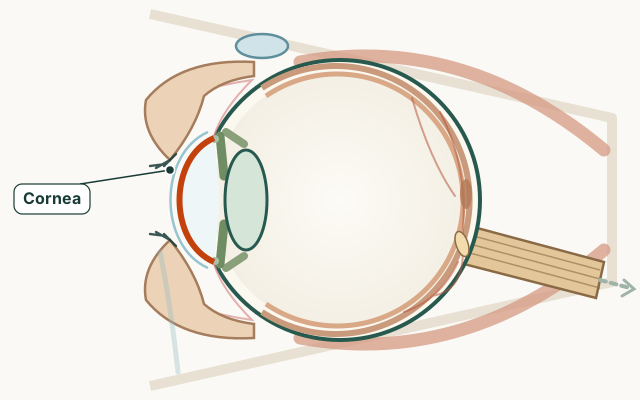
- Part of the eye
- Cornea
- Common signs
- Painful red eye with blurred vision
- Light sensitivity and watering
- A white or grey spot on the cornea
- History of plant injury, contact lens wear or water exposure
- Condition group
- Cornea and front of eye
What is a fungal eye infection (fungal keratitis)?
Fungal keratitis is an infection of the clear cornea by fungi such as Fusarium or Aspergillus. It is less common than bacterial corneal ulcers but can be more difficult to treat and more likely to scar the cornea.
Symptoms of a fungal eye infection
Symptoms often develop more slowly than bacterial ulcers but worsen over days.
- Painful red eye with blurred vision
- Light sensitivity and watering
- A white or grey spot on the cornea
- History of plant injury, contact lens wear or water exposure
What causes a fungal eye infection, and who is at risk?
Risk factors include eye injury from plant material, contact lens wear, especially sleeping in lenses or using tap water, and warm humid climates. Steroid drops without treating infection can make fungal ulcers worse.
How is a fungal eye infection treated?
Specialist diagnosis is needed, often with corneal samples. Treatment is with antifungal drops or tablets for weeks to months, and sometimes surgery. Delay increases scarring risk, so a painful contact-lens-related red eye that is not improving needs urgent assessment.
Practical guides
Frequently asked questions
Can contact lenses cause fungal eye infections?
Yes, especially with poor hygiene, sleeping in lenses or exposing lenses to tap water. A painful red eye that is slow to improve in a lens wearer needs urgent assessment.
How is fungal keratitis different from a bacterial ulcer?
Fungal keratitis often develops more slowly and is harder to treat, needing antifungal medicines for a long time. Both are sight-threatening emergencies.
Can fungal keratitis be cured?
Many cases can be treated successfully with early specialist care, but treatment is prolonged and scarring can affect vision. Prevention through safe lens wear and protecting eyes from plant injury is important.
Sources for this information
These references support the information on this page. Follow the linked source for its full context.