Condition
Contact lens discomfort
Medical reviewer Mr Mohamed Mohyudin, Consultant Ophthalmic SurgeonArticle reviewed
About this review
The reviewer checked the version identified in this article’s review record.
Contact lens discomfort at a glance
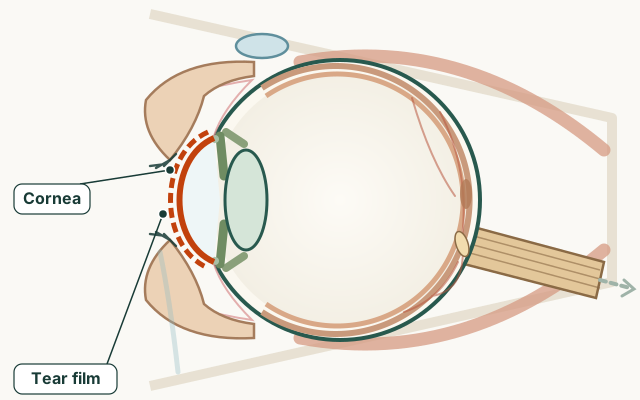
- Part of the eye
- Cornea and tear film
- Condition group
- Cornea and front of eye
What is contact lens discomfort?
Healthy contact lens wear should feel comfortable for your planned wearing time. Discomfort means the lens, tear film or cornea is under stress. Ignoring warning signs risks corneal ulcers and sight-threatening infection.
What causes contact lens discomfort?
Often several factors combine.
- Sleeping or swimming in lenses against advice
- Over-wearing beyond recommended hours
- Old or contaminated lens cases and solutions
- Dry eye, blepharitis or MGD reducing comfort
- Allergy to preservatives in drops or solutions
- Lenses that fit too tight or dry out
Hygiene essentials
Follow the contact lens care guide: wash and dry hands, rub and rinse reusable lenses, replace solution daily, air-dry cases upside down, and replace cases every 3 months. Never use tap water on lenses or cases — it carries acanthamoeba risk.
Dry eye and lens materials
Some materials suit dry eyes better — daily disposables reduce deposit build-up. Lubricating drops compatible with lenses can help. Treat underlying blepharitis and MGD. Sometimes a different modulus or water content improves comfort after professional refit.
Emergency red flags
Remove lenses immediately and seek same-day assessment for:
- Significant eye pain
- Light sensitivity or halos
- Reduced or hazy vision
- A red eye especially after water exposure
- Discharge with a contact-lens wearer
- Symptoms that persist more than 24 hours after removing lenses
When to get medical advice about contact lens discomfort
Routine optometry review if comfort gradually declines. Same-day care for any red flag above. Annual contact lens checks are recommended even when wear feels fine.
Practical guides
Frequently asked questions
Why do my contact lenses feel dry?
Common reasons include dry eye, MGD, long wearing time, air conditioning, or a lens material that does not suit your tear film. Lubricating drops and lid care often help after assessment.
Can I sleep in contact lenses?
Only if specifically prescribed for extended wear and you follow all aftercare. Sleeping in daily or non-approved lenses greatly raises infection risk.
When is a red eye an emergency for lens wearers?
Any painful red eye with lenses needs same-day assessment to exclude corneal ulcer or acanthamoeba keratitis — especially after swimming or showering in lenses.
Should I switch solutions if eyes sting?
Stinging may indicate allergy or incompatible drops. Stop the product, use lubricating drops, and ask your practitioner for preservative-free alternatives.
How often should I replace my lens case?
At least every three months, and sooner if cracked or dirty. Stale cases harbour bacteria and amoebae.
Sources for this information
These references support the information on this page. Follow the linked source for its full context.