Condition
Ectropion (outward-turning eyelid)
Medical reviewer Mr Mohamed Mohyudin, Consultant Ophthalmic SurgeonArticle reviewed
About this review
The reviewer checked the version identified in this article’s review record.
Ectropion (eyelid turning outward) at a glance
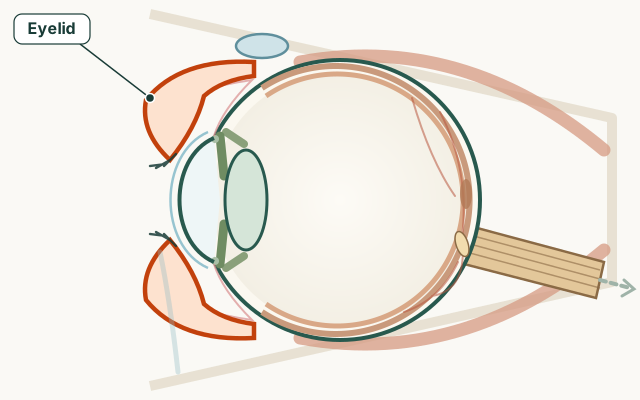
- Part of the eye
- Eyelid
- Common signs
- Watering eyes
- Dry, gritty or sore eyes
- Redness of the eyelid and eye
- A lower eyelid that sags away from the eye
- Treatment options
- Condition group
- Eyelid conditions
- Medical code (ICD-10)
H02.1
What is ectropion?
In ectropion, the lower eyelid droops outward so its inner surface is exposed and the eye is not fully covered when blinking. This stops tears draining properly and leaves the surface of the eye dry and exposed. It is most common in older people.
Symptoms of ectropion
Symptoms come from poor tear drainage and an exposed eye surface.
- Watering eyes
- Dry, gritty or sore eyes
- Redness of the eyelid and eye
- A lower eyelid that sags away from the eye
What causes ectropion, and who is at risk?
The most common cause is age-related weakening of the eyelid tissues. It can also result from weakness of the facial nerve, scarring of the skin around the eye, or previous surgery.
How is ectropion treated?
Lubricating drops and ointment protect the eye and ease symptoms in the short term. A minor operation to tighten and reposition the lower eyelid is the usual long-term treatment. See a clinician if the eye becomes very red, painful, or your vision changes.
Treatments & Surgery
Frequently asked questions
What causes ectropion?
The most common cause is age-related weakening of the tissues that hold the lower eyelid in place. It can also follow facial nerve weakness, scarring, or previous surgery.
How is ectropion treated?
Lubricating drops protect the eye, and a minor operation to tighten the lower eyelid usually corrects it for the long term.
Why does ectropion make my eyes water?
When the lower lid sags away from the eye, tears cannot drain into their normal channel, so they overflow and the eye waters even though the surface may also feel dry.
Sources for this information
These references support the information on this page. Follow the linked source for its full context.