Condition
Watering eyes (epiphora)
Medical reviewer Mr Mohamed Mohyudin, Consultant Ophthalmic SurgeonArticle reviewed
About this review
The reviewer checked the version identified in this article’s review record.
Watering eyes at a glance
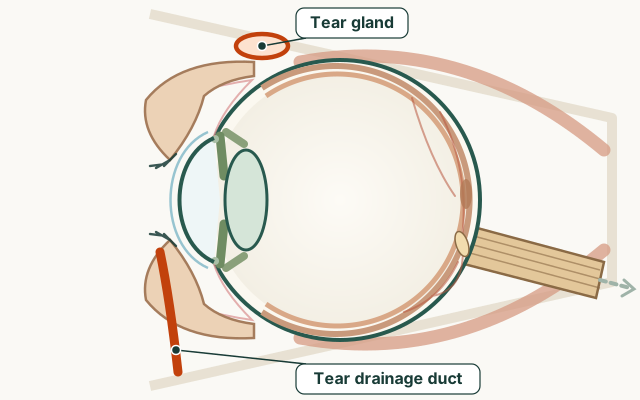
- Part of the eye
- Tear drainage duct and tear gland
- Common signs
- Tears running down the face
- Sometimes blurred vision
- Sore or irritated eyelids
- A sticky eye if there is also an infection
- Condition group
- Eyelid conditions
- Medical code (ICD-10)
H04.2
What are watering eyes?
Watering eyes, also called epiphora, occur when tears overflow onto the face. This can be because too many tears are made, or because the tear drainage channels are blocked or not working well.
Symptoms of watering eyes
Watering can affect one or both eyes.
- Tears running down the face
- Sometimes blurred vision
- Sore or irritated eyelids
- A sticky eye if there is also an infection
What causes watering eyes, and who is at risk?
Common causes include blocked or narrowed tear ducts, dry eye (which triggers reflex watering), allergies, irritation from wind or smoke, infections, and eyelids that turn in or out with age. In babies, tear ducts are often not fully open and usually settle on their own.
How are watering eyes treated?
Treatment depends on the cause: managing dry eye or allergies, cleaning the eyelids, or treating infection. A persistently blocked tear duct may need a minor procedure, and eyelid problems may need surgical correction. See a clinician if watering is persistent or affects daily life.
Frequently asked questions
Why do my eyes water so much?
Watering can come from too many tears or poor drainage. Common reasons include dry eye, allergies, irritation, and blocked tear ducts. Persistent watering is worth having checked.
Can dry eye cause watering eyes?
Yes. When the eye's surface dries out, it can trigger a reflex flood of tears, so watering eyes are sometimes a sign of underlying dry eye.
Do babies' watering eyes need treatment?
Watering in babies is often due to tear ducts that are not fully open and usually clears by itself in the first year. See a clinician if there is redness, swelling, or discharge.
Sources for this information
These references support the information on this page. Follow the linked source for its full context.