Condition
Entropion (inward-turning eyelid)
Medical reviewer Mr Mohamed Mohyudin, Consultant Ophthalmic SurgeonArticle reviewed
About this review
The reviewer checked the version identified in this article’s review record.
Entropion (eyelid turning inward) at a glance
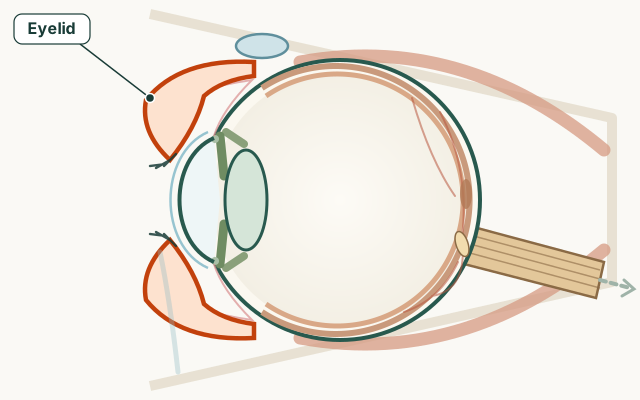
- Part of the eye
- Eyelid
- Common signs
- A feeling that something is in the eye
- Redness and irritation
- Watering eyes
- Sensitivity to light
- Treatment options
- Condition group
- Eyelid conditions
- Medical code (ICD-10)
H02.0
What is entropion?
In entropion, the eyelid rolls inward towards the eye, so the lashes and skin rub against the surface. It usually affects the lower lid and is most common in older people. The constant rubbing can irritate and, over time, damage the cornea.
Symptoms of entropion
Symptoms come from the lashes rubbing the eye.
- A feeling that something is in the eye
- Redness and irritation
- Watering eyes
- Sensitivity to light
What causes entropion, and who is at risk?
The most common cause is age-related weakening of the muscles and tissues around the eye. It can also follow scarring from injury, inflammation, or some infections.
How is entropion treated?
Lubricating drops or ointment ease symptoms, and taping the lid down or temporary measures can help in the short term. Because rubbing lashes can scratch the cornea, see a clinician; a minor operation to turn the eyelid back to its normal position is usually the long-term fix.
Treatments & Surgery
Frequently asked questions
Is entropion serious?
Entropion is not usually dangerous, but the rubbing lashes can scratch and damage the surface of the eye over time, so it should be assessed and treated.
How is entropion treated?
Lubricating drops ease symptoms, and a minor operation to tighten and reposition the eyelid is usually the lasting treatment.
What is the difference between entropion and ectropion?
Entropion is when the eyelid turns inward so the lashes rub the eye, while ectropion is when it turns outward and sags away from the eye.
Sources for this information
These references support the information on this page. Follow the linked source for its full context.