Condition
Dacryocystitis (tear sac infection)
Medical reviewer Mr Mohamed Mohyudin, Consultant Ophthalmic SurgeonArticle reviewed
About this review
The reviewer checked the version identified in this article’s review record.
Dacryocystitis at a glance
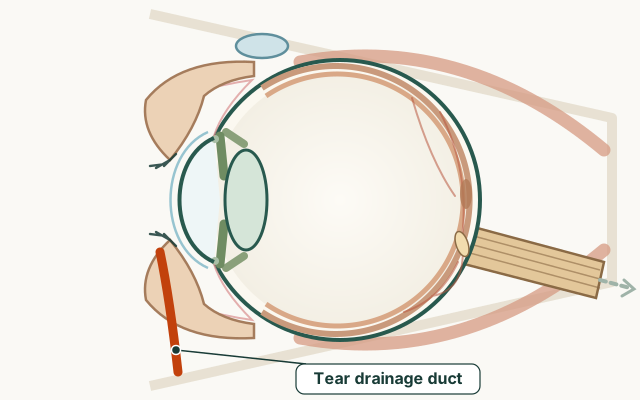
- Part of the eye
- Tear drainage duct
- Common signs
- Painful red swelling at the inner corner of the eye
- Sticky or pus-like discharge
- Watering and tenderness when pressing the area
- Sometimes fever and feeling unwell
- Condition group
- Eyelid conditions
- Medical code (ICD-10)
H04.3
What is dacryocystitis?
The tear sac sits at the inner corner of the eye and drains tears into the nose. If the duct below is blocked, stagnant tears can become infected, causing dacryocystitis.
Symptoms of dacryocystitis
Symptoms usually develop over hours to days.
- Painful red swelling at the inner corner of the eye
- Sticky or pus-like discharge
- Watering and tenderness when pressing the area
- Sometimes fever and feeling unwell
What causes dacryocystitis?
Most cases follow a blocked tear duct in adults or children. Chronic watering, previous infection, or sinus problems increase risk. Recurrent episodes may need surgery to open the duct.
How is dacryocystitis treated?
Antibiotics are needed promptly, and warm compresses may help. An abscess may need drainage. After infection settles, surgery to open the blocked duct is often recommended to prevent recurrence.
Frequently asked questions
What causes a painful lump by the side of the nose near the eye?
A common cause is dacryocystitis, infection of the tear sac, often linked to a blocked tear duct. It needs prompt antibiotic treatment.
Is dacryocystitis serious?
It can become serious if untreated, as infection may spread. Prompt antibiotics and assessment are important, especially with fever or worsening swelling.
Will I need surgery for dacryocystitis?
Acute infection is treated with antibiotics first. If a blocked tear duct caused it, surgery to restore drainage is often advised after the infection clears to prevent recurrence.
Sources for this information
These references support the information on this page. Follow the linked source for its full context.