Condition
Orbital cellulitis
Medical reviewer Mr Mohamed Mohyudin, Consultant Ophthalmic SurgeonArticle reviewed
About this review
The reviewer checked the version identified in this article’s review record.
Orbital cellulitis at a glance
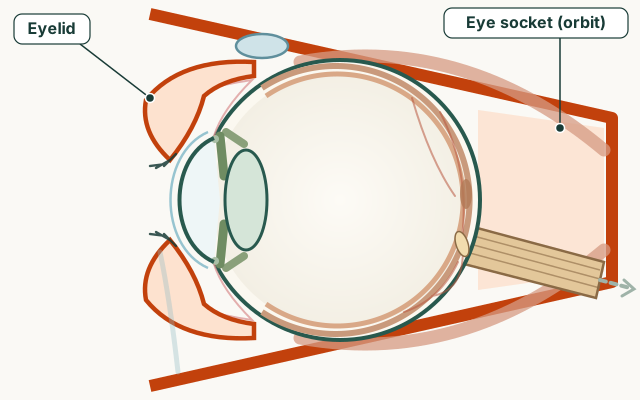
- Part of the eye
- Eye socket (orbit) and eyelid
- Common signs
- Painful, swollen eyelid with fever and feeling unwell
- Reduced or painful eye movement
- Protruding eye or double vision
- Child with a swollen eyelid after sinus infection or injury
- Condition group
- Eyelid conditions
- Medical code (ICD-10)
H05.0
What is orbital cellulitis?
Orbital cellulitis is infection within the orbit, the bony space containing the eye and its muscles. It is much more serious than preseptal cellulitis, which affects only the eyelid in front of the eye's tough lining.
Warning signs of orbital cellulitis
Seek emergency care if these develop.
- Painful, swollen eyelid with fever and feeling unwell
- Reduced or painful eye movement
- Protruding eye or double vision
- Child with a swollen eyelid after sinus infection or injury
What causes orbital cellulitis?
It often spreads from a sinus infection, especially in children, or from trauma, surgery or a skin infection. Prompt treatment of sinus problems and eyelid infections reduces risk.
How is orbital cellulitis treated?
Hospital admission and intravenous antibiotics are usually needed, with imaging to check for abscess. Delay can affect vision and spread infection. Mild eyelid redness without fever or eye movement problems may be a less serious infection, but assessment is important.
Frequently asked questions
What is the difference between orbital and preseptal cellulitis?
Preseptal cellulitis is a superficial eyelid infection, often without fever or eye movement problems. Orbital cellulitis is deeper, more serious, and can affect vision, needing emergency hospital care.
Is a swollen eyelid with fever an emergency?
Yes, especially if the eye is painful to move, vision changes, or the eye looks pushed forward. These features suggest orbital cellulitis and need urgent hospital assessment.
How is orbital cellulitis treated?
Treatment is usually hospital admission with intravenous antibiotics and scans to check for an abscess. Surgery is sometimes needed.
Sources for this information
These references support the information on this page. Follow the linked source for its full context.