Condition
Endophthalmitis (infection inside the eye)
Medical reviewer Mr Mohamed Mohyudin, Consultant Ophthalmic SurgeonArticle reviewed
About this review
The reviewer checked the version identified in this article’s review record.
Endophthalmitis at a glance
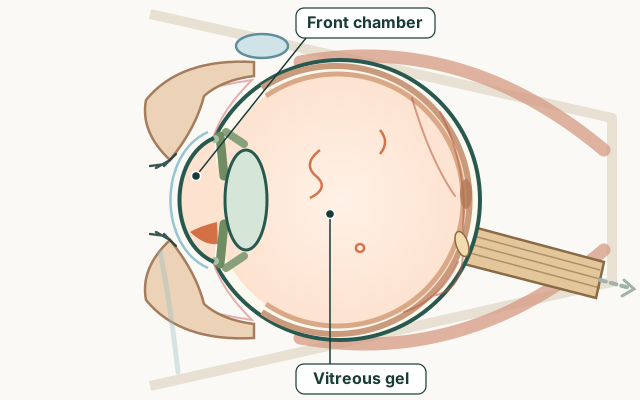
- Part of the eye
- Vitreous gel and front chamber
- Common signs
- Increasing pain and redness after eye surgery
- Rapidly worsening vision
- Swelling of the eyelids
- Floaters and light sensitivity
- Condition group
- Retina and optic nerve
- Medical code (ICD-10)
H44.0
What is endophthalmitis?
Endophthalmitis is infection of the vitreous gel and tissues inside the eye. Unlike conjunctivitis on the surface, it threatens vision rapidly and needs emergency specialist care.
Warning signs of endophthalmitis
Symptoms often develop within days of surgery or injury.
- Increasing pain and redness after eye surgery
- Rapidly worsening vision
- Swelling of the eyelids
- Floaters and light sensitivity
What causes endophthalmitis?
It is most associated with cataract surgery, other intraocular surgery, injections into the eye, or trauma that breaches the eye wall. Sterile technique makes it rare, but when it occurs prompt treatment is critical.
How is endophthalmitis treated?
Emergency hospital care includes samples to identify organisms and antibiotics injected into the eye, sometimes with vitrectomy surgery to remove infected gel. Outcomes are better with immediate treatment.
Frequently asked questions
Is endophthalmitis an emergency?
Yes. Worsening pain, redness and vision loss after eye surgery or injury needs emergency hospital eye care immediately.
How common is endophthalmitis after cataract surgery?
It is rare thanks to modern sterile techniques, but when it happens it is serious, which is why any sudden worsening after surgery must be reported at once.
Can endophthalmitis be cured?
Prompt treatment with injected antibiotics and sometimes surgery can save vision in many cases, but delay significantly worsens outcomes.
Sources for this information
These references support the information on this page. Follow the linked source for its full context.