Condition
Long-sightedness (hyperopia)
Medical reviewer Mr Mohamed Mohyudin, Consultant Ophthalmic SurgeonArticle reviewed
About this review
The reviewer checked the version identified in this article’s review record.
Long-sightedness at a glance
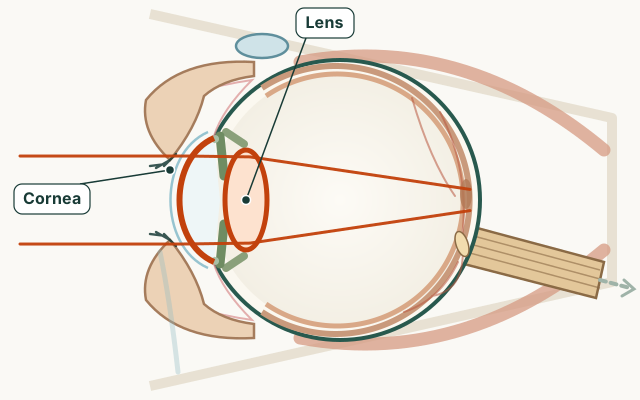
- Part of the eye
- Cornea and lens
- Common signs
- Blurred vision when looking at close objects
- Eye strain or aching eyes after reading
- Headaches after close work
- Tired eyes or squinting to focus
- Treatment options
- Condition group
- Cornea and front of eye
- Medical code (ICD-10)
H52.0
What is long-sightedness (hyperopia)?
Long-sightedness happens when the eye focuses light behind the retina instead of on it, usually because the eyeball is slightly too short or the cornea is too flat. This makes near vision blurred, and with stronger long-sightedness distance vision can blur too.
Symptoms of long-sightedness
Younger eyes can sometimes compensate, so symptoms may be subtle at first.
- Blurred vision when looking at close objects
- Eye strain or aching eyes after reading
- Headaches after close work
- Tired eyes or squinting to focus
What causes long-sightedness, and who is at risk?
Long-sightedness is usually due to the natural shape and length of the eye and often runs in families. It can be present from a young age, unlike presbyopia, which is the separate age-related loss of near focus.
How is long-sightedness treated?
Glasses or contact lenses correct the focus so near objects look clear. Laser or lens-based refractive surgery is an option for suitable adults. Regular eye tests keep your correction up to date.
Treatments & Surgery
Frequently asked questions
What is the difference between long-sightedness and presbyopia?
Long-sightedness (hyperopia) is a focusing error from the shape of the eye and can occur at any age. Presbyopia is the separate, age-related stiffening of the lens that affects near vision from the mid-40s.
Can long-sightedness be cured?
It is corrected rather than cured. Glasses and contact lenses give clear vision, and laser surgery can be an option for suitable adults.
Can children be long-sighted?
Yes. Many children are mildly long-sighted and their eyes compensate, but an eye test can pick up cases that need glasses, especially if there is eye strain or a squint.
Sources for this information
These references support the information on this page. Follow the linked source for its full context.