Condition
Iritis (anterior uveitis)
Medical reviewer Mr Mohamed Mohyudin, Consultant Ophthalmic SurgeonArticle reviewed
About this review
The reviewer checked the version identified in this article’s review record.
Iritis at a glance
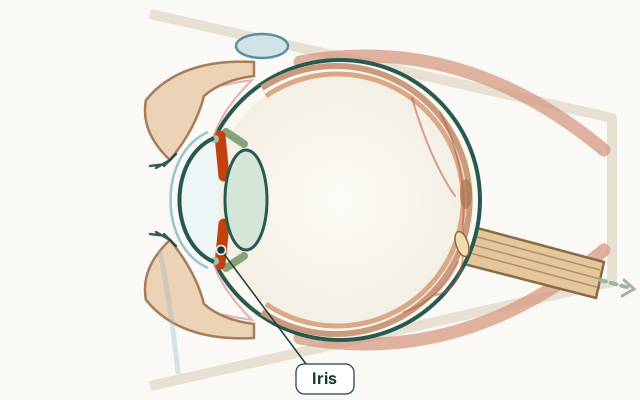
- Part of the eye
- Iris
- Common signs
- Painful, red eye
- Marked light sensitivity
- Blurred or reduced vision
- Small or irregularly shaped pupil sometimes
- Condition group
- Retina and optic nerve
- Medical code (ICD-10)
H20.0
What is iritis?
Iritis affects the uvea at the front of the eye, especially the iris. It is the most common form of uveitis and is an inflammation inside the eye, not just on the surface.
Symptoms of iritis
Symptoms often come on fairly quickly.
- Painful, red eye
- Marked light sensitivity
- Blurred or reduced vision
- Small or irregularly shaped pupil sometimes
What causes iritis?
It may be linked to autoimmune conditions such as ankylosing spondylitis, inflammatory bowel disease, psoriasis, or infection and injury. Sometimes no cause is found.
How is iritis treated?
Steroid eye drops are the main treatment, with follow-up to monitor pressure and inflammation. Delay increases the risk of complications. A red, painful, light-sensitive eye should not be assumed to be simple conjunctivitis.
Frequently asked questions
What is the difference between iritis and conjunctivitis?
Conjunctivitis mainly affects the surface and is often itchy or sticky. Iritis is deeper, causing more pain, light sensitivity and blurred vision, and needs prompt anti-inflammatory treatment.
Is iritis the same as uveitis?
Iritis is a type of anterior uveitis affecting the front of the eye. Uveitis can also affect deeper parts of the eye.
How is iritis treated?
Steroid eye drops are the main treatment, with close follow-up to check eye pressure and inflammation. Early treatment reduces complications.
Sources for this information
These references support the information on this page. Follow the linked source for its full context.