Condition
Eye twitching (eyelid twitch)
Medical reviewer Mr Mohamed Mohyudin, Consultant Ophthalmic SurgeonArticle reviewed
About this review
The reviewer checked the version identified in this article’s review record.
Eye twitching (eyelid twitch) at a glance
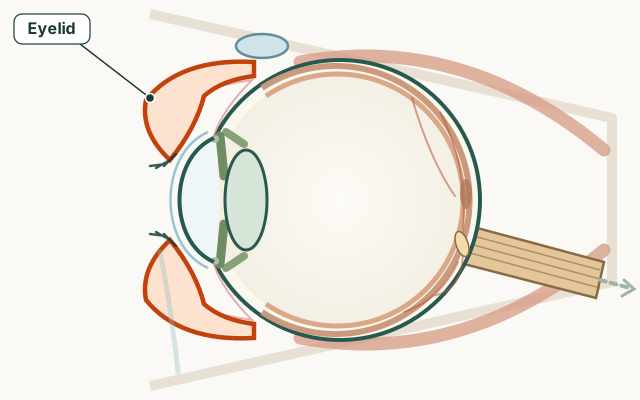
- Part of the eye
- Eyelid
- Common signs
- A repeated fluttering or twitching of the upper or lower eyelid
- A twitch that comes and goes over hours or days
- Usually affecting just one eye
- No pain and no effect on vision
- Condition group
- Eyelid conditions
What is eye twitching?
An eyelid twitch is a brief, involuntary fluttering or spasm of the eyelid muscle, usually in one eye. It is very common, almost always harmless, and usually settles by itself within a short time.
Symptoms of eye twitching
The twitch is usually mild and intermittent.
- A repeated fluttering or twitching of the upper or lower eyelid
- A twitch that comes and goes over hours or days
- Usually affecting just one eye
- No pain and no effect on vision
Common triggers
Eyelid twitches are often linked to tiredness, stress, too much caffeine or alcohol, eye strain, and dry eyes. Reducing these triggers usually helps the twitch settle.
When to see a clinician
Most twitches need no treatment and ease with rest, less caffeine, and managing eye strain or dry eyes. See a clinician if the twitch lasts more than a few weeks, makes the eyelid close completely, spreads to other parts of the face, or comes with drooping or other symptoms.
Frequently asked questions
Why does my eye keep twitching?
Most eyelid twitches are harmless and linked to tiredness, stress, caffeine, eye strain, or dry eyes. They usually settle on their own once these triggers ease.
How do I stop my eyelid twitching?
Getting more rest, cutting down on caffeine and alcohol, managing stress, and treating eye strain or dry eyes usually help an eyelid twitch settle.
When should I worry about an eye twitch?
See a clinician if the twitch lasts more than a few weeks, closes the eye fully, spreads across the face, or comes with eyelid drooping or other symptoms.
Sources for this information
These references support the information on this page. Follow the linked source for its full context.