Condition
Squint (strabismus)
Medical reviewer Mr Mohamed Mohyudin, Consultant Ophthalmic SurgeonArticle reviewed
About this review
The reviewer checked the version identified in this article’s review record.
Squint (strabismus) at a glance
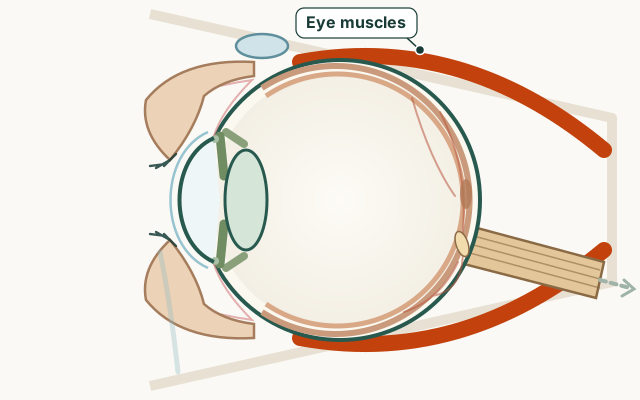
- Part of the eye
- Eye muscles
- Common signs
- One eye turning in, out, up or down
- Eyes that do not appear to move together
- Double vision, especially in adults
- A child screwing up the eyes or turning their head to look
- Treatment options
- Condition group
- Eyelid conditions
What is a squint (strabismus)?
A squint is a misalignment of the eyes, so they do not look in the same direction at the same time. It is common in young children. In children the brain may learn to ignore the image from the turning eye, which can lead to amblyopia, while in adults a new squint often causes double vision.
Symptoms of a squint
A squint may be constant or come and go, for example when tired.
- One eye turning in, out, up or down
- Eyes that do not appear to move together
- Double vision, especially in adults
- A child screwing up the eyes or turning their head to look
What causes a squint, and who is at risk?
A squint can be present from birth or develop later. It can be linked to long-sightedness, problems with the eye muscles or the nerves controlling them, a family history, or other underlying conditions. A new squint in an adult should be assessed promptly.
How is a squint treated?
Treatment depends on the cause and age. It may include glasses to correct long-sightedness, patching to treat any associated lazy eye, eye exercises, and surgery to adjust the eye muscles and align the eyes. Treating children early gives the best results for vision.
Practical guides
Treatments & Surgery
Frequently asked questions
Can a squint be treated?
Yes. Depending on the cause, treatment may include glasses, patching for an associated lazy eye, eye exercises, or surgery to align the eyes. Early treatment in children gives the best results.
Is a squint just a cosmetic problem?
No. In children a squint can affect vision development and lead to a lazy eye, and in adults it can cause double vision, so it is worth having assessed rather than treating it as cosmetic only.
Should a new squint in an adult be checked?
Yes. A squint that appears suddenly in an adult, especially with double vision, should be assessed promptly, as it can occasionally signal an underlying problem that needs attention.
Sources for this information
These references support the information on this page. Follow the linked source for its full context.