Condition
Retinopathy of prematurity (ROP)
Medical reviewer Mr Mohamed Mohyudin, Consultant Ophthalmic SurgeonArticle reviewed
About this review
The reviewer checked the version identified in this article’s review record.
Retinopathy of prematurity at a glance
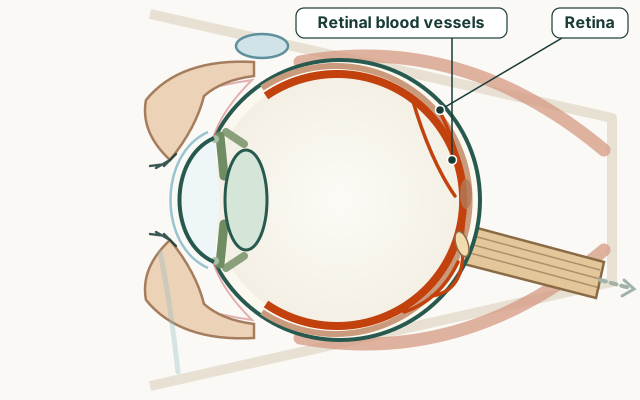
- Part of the eye
- Retinal blood vessels and retina
- Related symptoms
- Treatment options
- Condition group
- Retina and optic nerve
- Medical code (ICD-10)
H35.1
What is retinopathy of prematurity (ROP)?
ROP affects the developing retina in babies born early, when blood vessels have not finished growing normally. In some cases vessels grow abnormally and can pull on or scar the retina, risking vision loss.
Who is affected
ROP is screened in babies born very prematurely or at very low birth weight, following national guidelines. Parents of premature babies should know that eye screening is routine and not a sign that something has already gone wrong.
- Babies born before about 31 weeks or under about 1.5 kg birth weight in many programmes
- Screening in hospital before discharge and sometimes after
- Most babies have mild changes that resolve
Detection and treatment
Specialist examination of the retina detects ROP and grades its severity. Mild disease is monitored. Severe cases may need laser treatment, injections into the eye, or surgery to protect vision.
Long-term follow-up
Children who had ROP, especially if treated, need ongoing eye checks for short-sightedness, squint, lazy eye and glaucoma. Early support helps children reach their best vision.
Practical guides
Treatments & Surgery
Frequently asked questions
Why are premature babies screened for eye problems?
Premature birth interrupts normal retinal vessel development, which can lead to ROP. Screening finds treatable disease early, which is why neonatal units follow structured eye check programmes.
Can retinopathy of prematurity be cured?
Many mild cases resolve on their own. Severe ROP can be treated with laser, injections or surgery to reduce vision loss, which is why screening timing matters.
Will my child need glasses after ROP?
Many children who had ROP develop short-sightedness or other focusing problems and benefit from regular eye care through childhood.
Sources for this information
These references support the information on this page. Follow the linked source for its full context.