Condition
Sjögren's syndrome and the eye
Medical reviewer Mr Mohamed Mohyudin, Consultant Ophthalmic SurgeonArticle reviewed
About this review
The reviewer checked the version identified in this article’s review record.
Sjögren's syndrome and the eye at a glance
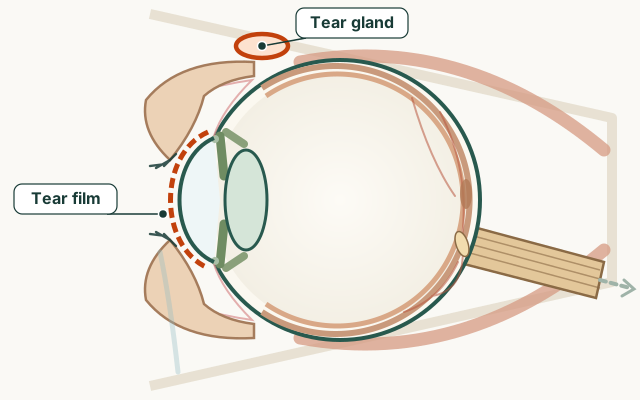
- Part of the eye
- Tear gland and tear film
- Related symptoms
- Condition group
- Systemic and whole-body links
- Medical code (ICD-10)
M35.0
What is Sjögren's syndrome?
Sjögren's syndrome reduces tear and saliva production when immune cells damage the glands that make them. It can occur on its own (primary) or alongside other autoimmune diseases such as rheumatoid arthritis or lupus (secondary). Dry eye is often the first symptom people notice, sometimes years before the full diagnosis is made.
How it affects the eyes
Without enough tears, the cornea can become inflamed, scarred or prone to infection. Symptoms may include:
- Persistent grittiness, burning or stinging
- Redness and light sensitivity
- Blurred or fluctuating vision
- A feeling of something in the eye
- Difficulty wearing contact lenses
How is Sjögren's syndrome diagnosed and monitored?
Rheumatologists and eye specialists work together. Blood tests, salivary gland assessment and a detailed eye examination help confirm the diagnosis. Because severe dry eye can damage the cornea silently, regular follow-up matters even when symptoms feel stable. Report any new pain, vision change or increasing redness promptly.
Treatment and daily care
Management focuses on replacing and preserving tears. Preservative-free lubricating drops, gels or ointments are used frequently. Punctal plugs, anti-inflammatory drops, autologous serum drops or scleral lenses may be offered for moderate to severe disease. Treating eyelid inflammation and avoiding smoke, dry air and incomplete blinking during screen work all help. Systemic medicines for Sjögren's are decided by your rheumatology team.
Practical guides
Frequently asked questions
Is dry eye from Sjögren's different from ordinary dry eye?
The symptoms overlap, but Sjögren's-related dry eye is often more severe and persistent because tear production is reduced at source. Specialist assessment helps choose stronger treatments when needed.
Can Sjögren's cause vision loss?
Severe untreated dry eye can damage the cornea and affect vision. Regular monitoring and consistent treatment reduce this risk. Sudden vision change always needs urgent assessment.
Do I need to see both a rheumatologist and an eye doctor?
Usually yes. Rheumatologists manage the overall autoimmune disease, while eye specialists protect the cornea and vision with targeted dry-eye treatments.
Sources for this information
These references support the information on this page. Follow the linked source for its full context.