Condition
Blepharitis
Medical reviewer Mr Mohamed Mohyudin, Consultant Ophthalmic SurgeonArticle reviewed
About this review
The reviewer checked the version identified in this article’s review record.
Blepharitis at a glance
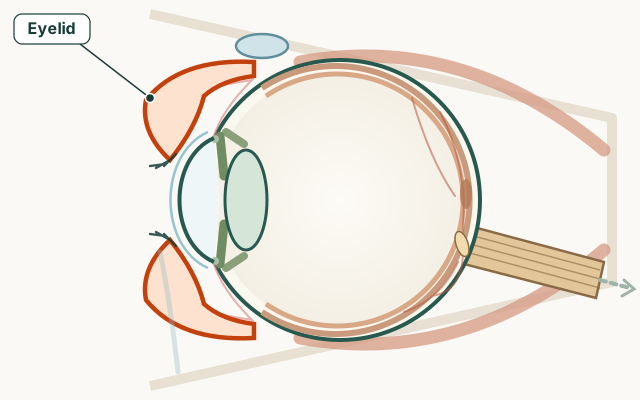
- Part of the eye
- Eyelid
- Common signs
- Crusts or flakes at the lash roots
- Red, swollen or itchy lid margins
- Gritty, burning or watery eyes
- Styes or chalazia that keep returning
- Treatment options
- Condition group
- Eyelid conditions
- Medical code (ICD-10)
H01.0
What is blepharitis?
Blepharitis means inflamed eyelid edges. Anterior blepharitis affects the lash line (often with dandruff-like crusts). Posterior blepharitis affects the inner lid margin and meibomian oil glands, reducing tear quality. Many people have both. It is not contagious in the usual sense but is long-term and may flare with stress, skin conditions or poor lid care.
Symptoms of blepharitis
Symptoms are usually both eyes and worse on waking.
- Crusts or flakes at the lash roots
- Red, swollen or itchy lid margins
- Gritty, burning or watery eyes
- Styes or chalazia that keep returning
- Sensitivity to makeup, wind or contact lenses
- Morning stickiness or glued lashes
Links with dry eye and MGD
Posterior blepharitis often overlaps meibomian gland dysfunction (MGD) — blocked or poor-quality oil glands that let tears evaporate too fast. Treating lids frequently improves dry-eye symptoms without extra drops alone. Ocular rosacea and seborrhoeic dermatitis are common triggers on the skin and lids.
Daily lid-care routine
Consistency matters more than occasional intensive treatment.
- Warm compress 5–10 minutes to soften crusts and melt oils
- Gentle massage along the lid margin toward the lashes
- Clean lash roots with diluted baby shampoo, lid wipe or prescribed foam
- Use lubricating drops if eyes feel gritty between cleans
- Avoid rubbing eyes — it worsens inflammation
Treatment and flares
Mild disease is managed with the routine above. Persistent flares may need short courses of antibiotic ointment on the lid margin, oral antibiotics for rosacea-linked disease, or steroid drops under supervision. Treat any stye or chalazion promptly. Rarely, severe untreated disease can affect the cornea — report reduced vision or significant pain.
When to get medical advice about blepharitis
Book review if symptoms do not improve after 2–4 weeks of regular lid hygiene, if one eye becomes very painful or red, if vision drops, or if you wear contact lenses and cannot wear them safely. Newborn or infant lid crusting needs paediatric assessment.
Practical guides
Treatments & Surgery
Frequently asked questions
Is blepharitis contagious?
It is inflammation of your own lid margins, not an infection spread between people like pink eye. Styes on top can have a bacterial component but blepharitis itself is a chronic lid condition.
Can blepharitis cause dry eyes?
Yes. Posterior blepharitis and MGD reduce the oily layer of tears, so the surface dries faster. Lid treatment often helps dry-eye symptoms.
How long does blepharitis take to improve?
Many people notice benefit within a few weeks of daily warm compresses and cleaning, but it is usually a long-term condition needing ongoing maintenance.
What is the difference between blepharitis and a stye?
Blepharitis is chronic inflammation of the whole lid margin. A stye is a painful lump usually from an infected lash follicle — common when blepharitis flares.
Should I stop wearing makeup or contact lenses?
During bad flares, avoid eye makeup and consider pausing lenses until lids settle. Replace old mascara and clean lens cases meticulously when you restart.
Sources for this information
These references support the information on this page. Follow the linked source for its full context.