Condition
Photokeratitis (arc eye and snow blindness)
Medical reviewer Mr Mohamed Mohyudin, Consultant Ophthalmic SurgeonArticle reviewed
About this review
The reviewer checked the version identified in this article’s review record.
Photokeratitis (arc eye) at a glance
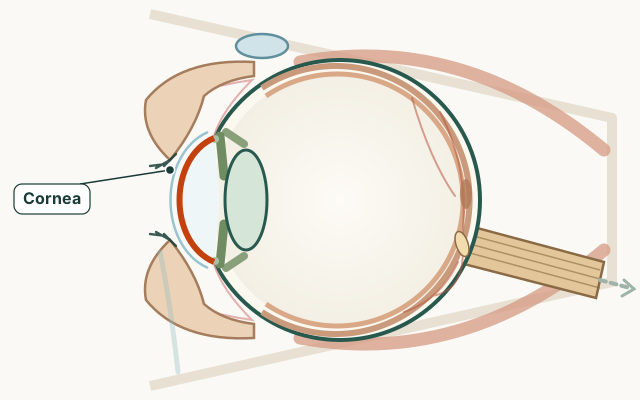
- Part of the eye
- Cornea
- Common signs
- Painful, gritty, red eyes
- Watering and marked light sensitivity
- Blurred vision and swollen eyelids
- Symptoms may feel worse a few hours after exposure
- Condition group
- Cornea and front of eye
- Medical code (ICD-10)
H16.1
What is photokeratitis (arc eye)?
Photokeratitis is damage to the surface of the cornea from UV radiation, similar to skin sunburn. It is sometimes called arc eye after welding exposure or snow blindness after bright snow glare.
Symptoms of photokeratitis
Symptoms often start hours after exposure.
- Painful, gritty, red eyes
- Watering and marked light sensitivity
- Blurred vision and swollen eyelids
- Symptoms may feel worse a few hours after exposure
What causes photokeratitis?
Common causes include bright sunlight reflected off snow or water, welding without proper goggles, high-altitude sun, sunbeds without eye protection, and rarely malfunctioning UV lamps. Good UV-blocking sunglasses or welding shields prevent it.
Treatment and prevention
Remove contact lenses, rest the eyes in a dark room, use cool compresses and lubricating drops, and avoid further UV exposure. Do not rub the eyes. Seek urgent care if pain is severe, vision stays very blurred, or symptoms do not improve within two days. Always wear proper eye protection in high-UV settings.
Frequently asked questions
How long does arc eye last?
Most photokeratitis settles within one to three days as the corneal surface heals. Seek care if symptoms are severe or not improving.
What is snow blindness?
Snow blindness is photokeratitis from UV reflected off snow. It causes painful, light-sensitive eyes hours after exposure and is prevented with UV-blocking goggles.
Do I need to see a doctor for photokeratitis?
Mild cases often heal with rest and lubricating drops, but seek care if pain is severe, vision is significantly blurred, or symptoms persist beyond two days.
Sources for this information
These references support the information on this page. Follow the linked source for its full context.