Condition
Papilloedema (swollen optic nerve)
Medical reviewer Mr Mohamed Mohyudin, Consultant Ophthalmic SurgeonArticle reviewed
About this review
The reviewer checked the version identified in this article’s review record.
Papilloedema at a glance
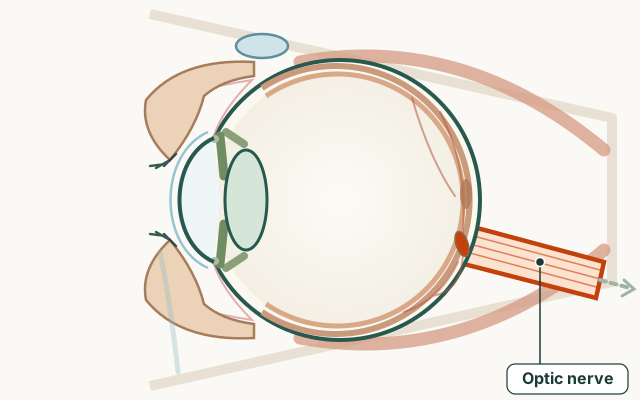
- Part of the eye
- Optic nerve
- Common signs
- Headaches, often worse on waking or with coughing
- Brief episodes of greying or loss of vision
- Whooshing pulse sounds in the ear sometimes
- Enlarged blind spot or reduced peripheral vision
- Condition group
- Retina and optic nerve
- Medical code (ICD-10)
H47.1
What is papilloedema?
The optic nerve connects the eye to the brain. When pressure around the brain rises, the nerve head can swell as seen during an eye examination. This is papilloedema.
Symptoms of papilloedema
Symptoms vary and may build over time.
- Headaches, often worse on waking or with coughing
- Brief episodes of greying or loss of vision
- Whooshing pulse sounds in the ear sometimes
- Enlarged blind spot or reduced peripheral vision
What causes papilloedema?
Causes include idiopathic intracranial hypertension, brain masses, blood clots, and some medications. It is distinct from optic neuritis, though both affect the optic nerve.
Assessment and treatment
Urgent brain imaging and pressure assessment are needed. Treatment targets the underlying cause, such as reducing intracranial pressure. Eye checks monitor the optic nerve and vision while pressure is controlled.
Frequently asked questions
Is papilloedema the same as optic neuritis?
No. Optic neuritis is inflammation of the optic nerve causing eye pain and vision loss. Papilloedema is swelling from raised pressure around the brain and needs different urgent investigation.
What causes a swollen optic nerve?
Papilloedema is swelling of the optic nerve head due to raised intracranial pressure. Urgent brain imaging is needed to find the cause.
Can papilloedema affect vision permanently?
Untreated raised pressure can permanently damage the optic nerve. Early diagnosis and treatment of the underlying cause protect vision.
Sources for this information
These references support the information on this page. Follow the linked source for its full context.