Condition
Giant cell arteritis (temporal arteritis)
Medical reviewer Mr Mohamed Mohyudin, Consultant Ophthalmic SurgeonArticle reviewed
About this review
The reviewer checked the version identified in this article’s review record.
Giant cell arteritis at a glance
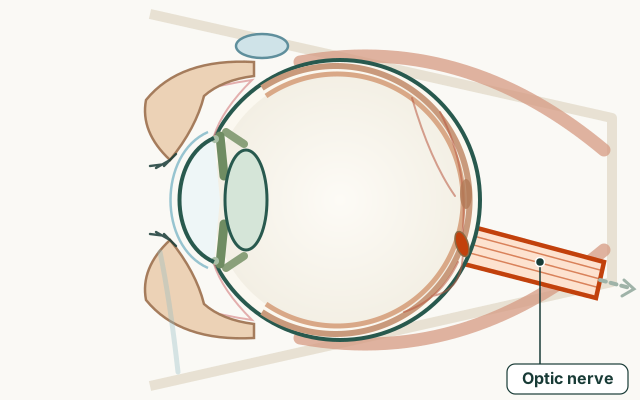
- Part of the eye
- Optic nerve
- Common signs
- New headache, often at the temples
- Tenderness when touching the scalp or wearing glasses
- Jaw pain or fatigue when chewing
- Sudden blurred or lost vision in one eye
- Condition group
- Retina and optic nerve
- Medical code (ICD-10)
M31.6
What is giant cell arteritis?
Giant cell arteritis is an autoimmune inflammation of artery walls. When arteries to the eye are affected, blood flow to the optic nerve can drop suddenly, causing painless or painful vision loss. It may occur with polymyalgia rheumatica, which causes shoulder and hip aching.
Warning signs of giant cell arteritis
Symptoms can develop over days to weeks.
- New headache, often at the temples
- Tenderness when touching the scalp or wearing glasses
- Jaw pain or fatigue when chewing
- Sudden blurred or lost vision in one eye
- General tiredness, fever or weight loss in some people
Why it is urgent
Vision loss can progress to the other eye within days if inflammation is not treated. High-dose steroid treatment is usually started urgently after assessment and blood tests, sometimes before biopsy results return.
How is giant cell arteritis diagnosed and treated?
Blood tests such as ESR and CRP are often raised. A temporal artery biopsy may confirm the diagnosis. Treatment is typically oral steroids, tapered slowly over months with specialist follow-up to protect vision and monitor side effects.
Practical guides
Frequently asked questions
Is giant cell arteritis an emergency?
Yes. Sudden vision loss, a new headache with scalp tenderness, or jaw pain when chewing in someone over 50 needs same-day assessment. Early steroids can protect sight.
Can giant cell arteritis cause blindness?
Yes. Untreated inflammation can cause permanent vision loss in one or both eyes. Prompt steroid treatment greatly reduces this risk.
What is the difference between temporal arteritis and migraine?
Migraine often has visual aura that recovers and may cause throbbing headache with nausea. Giant cell arteritis more often causes scalp tenderness, jaw claudication and sustained vision risk in older adults.
Sources for this information
These references support the information on this page. Follow the linked source for its full context.