Condition
Hyphema (blood in the front of the eye)
Medical reviewer Mr Mohamed Mohyudin, Consultant Ophthalmic SurgeonArticle reviewed
About this review
The reviewer checked the version identified in this article’s review record.
Hyphema at a glance
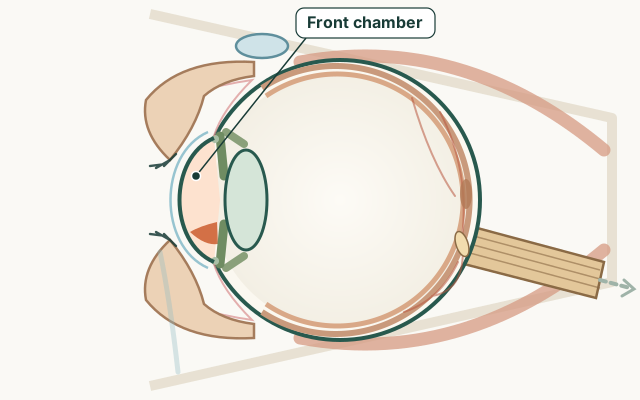
- Part of the eye
- Front chamber
- Common signs
- Visible blood in the front of the eye
- Pain, light sensitivity and blurred vision
- History of a blow to the eye or ball sports injury
- Sometimes nausea if eye pressure rises
- Condition group
- Cornea and front of eye
- Medical code (ICD-10)
H21.0
What is a hyphema?
The space between the cornea and iris can fill with blood after eye trauma, forming a hyphema. It ranges from a thin red layer to a larger collection that obscures vision.
Symptoms of a hyphema
Symptoms follow eye injury.
- Visible blood in the front of the eye
- Pain, light sensitivity and blurred vision
- History of a blow to the eye or ball sports injury
- Sometimes nausea if eye pressure rises
Why urgent care matters
Hyphema can cause dangerously high eye pressure, rebleeding, and long-term staining of the cornea. Children and people with sickle cell disease are at higher risk of complications and need specialist monitoring.
How is a hyphema treated?
Treatment includes rest with head elevation, an eye shield, avoiding aspirin or blood thinners unless advised, and close follow-up to monitor pressure and clearing of blood. Severe cases may need hospital admission or surgery.
Frequently asked questions
Is blood in the eye after an injury serious?
Yes. Hyphema after trauma needs urgent eye assessment to monitor pressure, prevent rebleeding, and protect vision.
How is hyphema treated?
Treatment usually includes rest, head elevation, an eye shield, pressure checks, and avoiding activities that could cause rebleeding. Severe cases need hospital care.
Can hyphema cause permanent vision loss?
It can if eye pressure stays high or blood stains the cornea. Early assessment and follow-up reduce the risk.
Sources for this information
These references support the information on this page. Follow the linked source for its full context.