Condition
Herpes zoster ophthalmicus (shingles in the eye)
Medical reviewer Mr Mohamed Mohyudin, Consultant Ophthalmic SurgeonArticle reviewed
About this review
The reviewer checked the version identified in this article’s review record.
Shingles in the eye at a glance
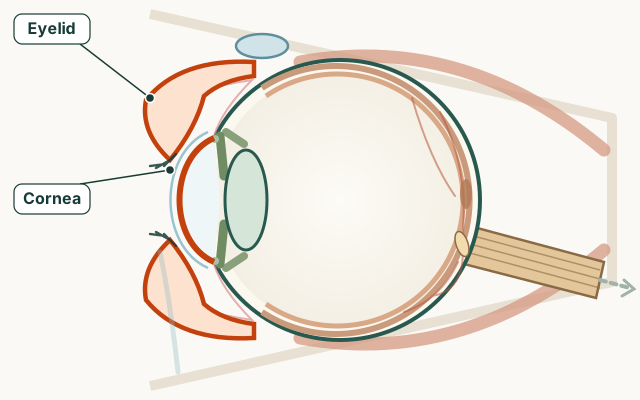
- Part of the eye
- Eyelid and cornea
- Common signs
- Painful blistering rash on the forehead, scalp or tip of the nose
- Red, painful or light-sensitive eye on the same side
- Blurred vision if the cornea or inside of the eye is affected
- Flu-like feeling before the rash appears
- Condition group
- Retina and optic nerve
- Medical code (ICD-10)
B02.3
What is shingles in the eye (herpes zoster ophthalmicus)?
Shingles occurs when the chickenpox virus reactivates in a nerve, often causing a painful blistering rash on one side of the face. When the nerve serving the eye is involved, the eye itself can become inflamed, risking corneal scarring, glaucoma and sight loss.
Warning signs of shingles in the eye
Eye involvement may not be obvious at first.
- Painful blistering rash on the forehead, scalp or tip of the nose
- Red, painful or light-sensitive eye on the same side
- Blurred vision if the cornea or inside of the eye is affected
- Flu-like feeling before the rash appears
Risk and urgency
A rash on the tip of the nose suggests a high risk of eye involvement. Anyone with shingles near the eye should have urgent eye assessment. Early antiviral tablets reduce complications, and the shingles vaccine lowers risk in older adults.
How is shingles in the eye treated?
Oral antiviral treatment started within 72 hours is key. Eye drops or further treatment may be needed for inflammation inside the eye. Long-term follow-up watches for glaucoma, scarring and nerve pain.
Frequently asked questions
Can shingles affect the eye?
Yes. Shingles on the forehead or nose can spread to the eye and threaten sight. Anyone with shingles near the eye needs urgent assessment, even if the eye seems only mildly red.
How soon should shingles in the eye be treated?
Antiviral tablets work best when started within 72 hours of the rash appearing. Do not wait for eye symptoms to worsen before seeking care.
Can shingles in the eye cause permanent damage?
It can, including corneal scarring, glaucoma and lasting pain. Early antiviral treatment and specialist eye care reduce the risk.
Sources for this information
These references support the information on this page. Follow the linked source for its full context.