Condition
Chalazion
Medical reviewer Mr Mohamed Mohyudin, Consultant Ophthalmic SurgeonArticle reviewed
About this review
The reviewer checked the version identified in this article’s review record.
Chalazion at a glance
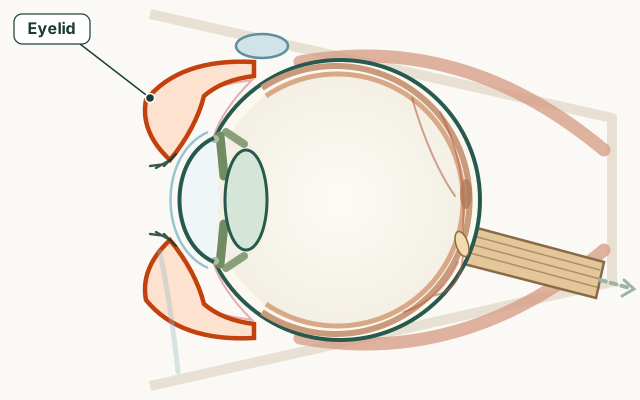
- Part of the eye
- Eyelid
- Common signs
- A firm, usually painless lump in the eyelid
- Mild swelling or redness when it first appears
- A lump that grows slowly over days to weeks
- Occasionally blurred vision if it is large and presses on the eye
- Condition group
- Eyelid conditions
- Medical code (ICD-10)
H00.1
What is a chalazion?
A chalazion is a firm lump that forms in the eyelid when one of the small oil glands becomes blocked. It is usually painless, although it can start as a tender swelling. It is harmless but can take several weeks to clear.
Symptoms of a chalazion
A chalazion usually affects one eyelid.
- A firm, usually painless lump in the eyelid
- Mild swelling or redness when it first appears
- A lump that grows slowly over days to weeks
- Occasionally blurred vision if it is large and presses on the eye
What causes a chalazion, and who is at risk?
A chalazion is caused by a blocked oil (meibomian) gland in the eyelid. It is more common in people who have blepharitis or skin conditions such as rosacea.
Treatment and self-care for a chalazion
Warm compresses held against the eyelid for 5 to 10 minutes several times a day, followed by gentle massage, help the blockage clear. Most settle without further treatment. A persistent or large chalazion may need a minor procedure or injection, so see a clinician if it does not improve.
Frequently asked questions
What is the difference between a chalazion and a stye?
A stye is usually a painful, infected lump at the lash line, while a chalazion is a usually painless lump further from the edge caused by a blocked oil gland. A stye can sometimes turn into a chalazion.
How long does a chalazion take to go away?
Many clear within a few weeks with warm compresses, but some take longer. A lump that persists may need to be assessed by a clinician.
Should I squeeze a chalazion?
No. Squeezing can cause damage or infection. Use warm compresses and gentle massage instead, and seek advice if it does not settle.
Sources for this information
These references support the information on this page. Follow the linked source for its full context.