Condition
Viral conjunctivitis
Medical reviewer Mr Mohamed Mohyudin, Consultant Ophthalmic SurgeonArticle reviewed
About this review
The reviewer checked the version identified in this article’s review record.
Viral conjunctivitis at a glance
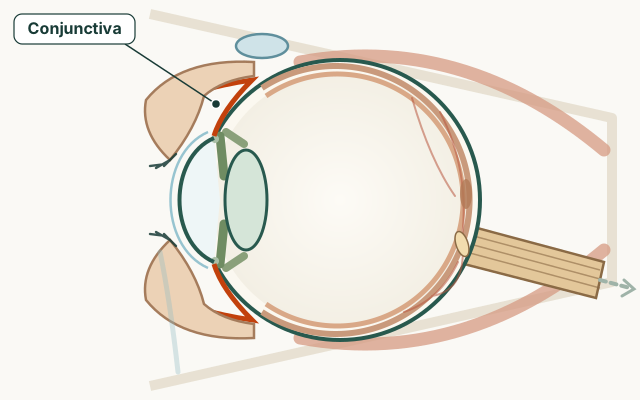
- Part of the eye
- Conjunctiva
- Common signs
- Watery redness and mild burning
- Gritty or foreign-body sensation
- Swollen lids and watery discharge
- Sometimes tender lymph node in front of the ear
- Condition group
- Cornea and front of eye
- Medical code (ICD-10)
B30
What is viral conjunctivitis?
Viral conjunctivitis is inflammation of the eye surface caused by viruses — commonly adenovirus. Outbreaks occur in families, schools and workplaces. It is highly contagious before symptoms peak and while the eye is red and watering.
Symptoms of viral conjunctivitis
Often starts in one eye and spreads to the other within days.
- Watery redness and mild burning
- Gritty or foreign-body sensation
- Swollen lids and watery discharge
- Sometimes tender lymph node in front of the ear
- Recent cold, sore throat or runny nose
Contagion and hygiene
Viruses survive on hands and surfaces.
- Wash hands frequently and avoid touching eyes
- Do not share towels, pillows or eye makeup
- Discard tissues promptly
- Stay home from work or school if policy requires while actively contagious
- Clean glasses and phone screens regularly
How is viral conjunctivitis treated?
There is no routine antiviral drop for common adenoviral pink eye in otherwise healthy people. Cool compresses and lubricating drops soothe symptoms. Avoid steroid drops unless prescribed — they can prolong certain viral infections. Artificial tears reduce discomfort; discard bottles after recovery to avoid reinfection.
Complications to watch for
Most viral conjunctivitis is mild. Rarely adenovirus causes keratitis — corneal spots that blur vision or cause long-lasting glare. Contact-lens wearers have higher corneal risk. Report foggy vision, persistent pain or light sensitivity after the first week.
Viral versus bacterial versus allergy
Viral: watery, follows cold, very contagious. Bacterial: thick pus, lids glued. Allergy: dominant itch, both eyes, hay fever. Any significant pain, reduced vision or contact-lens use needs professional assessment — not all red eyes are simple viral conjunctivitis.
Practical guides
Frequently asked questions
Do antibiotics work on viral pink eye?
No. Antibiotics target bacteria. Viral conjunctivitis settles with time, symptom relief and hygiene.
How long is viral conjunctivitis contagious?
Often for several days while the eye is red and watering, sometimes up to two weeks. Strict hand hygiene reduces spread to others.
Can viral conjunctivitis affect vision?
Usually vision stays clear apart from watering. Blurred or hazy vision suggests corneal involvement and needs prompt assessment.
Should I stay off work with viral pink eye?
Many employers and schools ask you to stay away while the eye is actively red and discharging, especially in healthcare or childcare roles. Follow local guidance.
When does viral conjunctivitis need urgent care?
Seek same-day care for moderate or severe pain, marked light sensitivity, reduced vision, a contact-lens wearer with red eye, or symptoms after eye injury.
Sources for this information
These references support the information on this page. Follow the linked source for its full context.